Danu Festival
Introduction
The Danu Festival is a vibrant and significant cultural event celebrated by the Yao people, primarily in the Du'an Yao autonomous county, located in South China's Guangxi Zhuang autonomous region. Recognized as the most important traditional festival among the Yao community, the Danu Festival, also known as the Zhuzhu Festival, is a time for gathering, festivities, and cultural expression. Held annually on the 29th day of the fifth month of the Chinese calendar, the festival is a symbol of unity and cultural heritage for the Yao people. The celebrations are marked by various activities, including traditional music, dance, sporting events, and vibrant marketplaces, showcasing the rich cultural tapestry of the Yao ethnic group.
History
The origins of the Danu Festival are deeply rooted in the history of the Yao people. The festival is believed to have originated centuries ago as a way for the Yao community to commemorate significant historical events, pay homage to their ancestors, and express gratitude for bountiful harvests. Over time, the Danu Festival has evolved, but it has consistently remained a cornerstone of Yao cultural identity.
Celebrations and Rituals
Traditional Practices
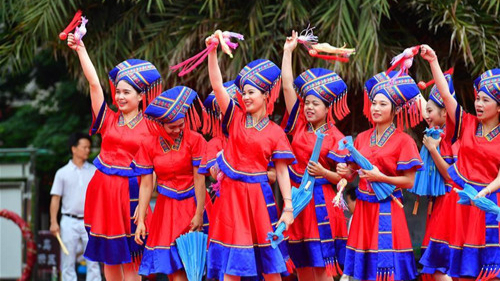
Traditional practices are a vital component of the Danu Festival, reflecting the deep-rooted customs and beliefs of the Yao community. One of the key traditional activities includes lighting incense and praying for good fortune, which is a symbolic gesture of seeking blessings and prosperity. Music plays a central role, with the suona, a traditional Chinese wind instrument, being prominently featured during the festivities. The Yao people also engage in traditional dances, often performed in colorful ethnic attire, which not only entertains but also reinforces cultural ties and collective identity.
Modern Celebrations
In recent years, the Danu Festival has seen a blend of traditional and modern elements, adapting to contemporary times while preserving its cultural essence. Modern celebrations often incorporate sporting events, which add a dynamic and competitive spirit to the festivities. Additionally, the festival has become a platform for commerce, with marketplaces bustling with activity, offering local crafts, traditional foods, and other goods. The modern celebrations reflect the Yao people's ability to maintain their cultural heritage while embracing change and innovation in their ways of celebrating.
Influence on Arts and Literature
The Danu Festival significantly influences the arts and literature of the Yao people and beyond. The festival's vibrant expressions of culture and tradition inspire various forms of artistic expression, including music, dance, and visual arts. Traditional Yao music and dance performances during the festival often inspire local and international artists, leading to the creation of works that reflect the festival's themes and cultural motifs. In literature, the festival is depicted as a rich tapestry of Yao culture, often featured in folk tales, poems, and narratives that celebrate the community's resilience, unity, and cultural wealth.
Tourism and Economic Impact
The Danu Festival plays a vital role in promoting tourism and contributing to the local economy of the Du'an Yao autonomous county and the surrounding regions. As a significant cultural event, the festival attracts tourists from various parts of China and the world, eager to experience the unique customs and traditions of the Yao people. This influx of visitors during the festival period provides a boost to the local hospitality and service industries, including hotels, restaurants, and transportation services. Moreover, the festival's marketplaces offer opportunities for local artisans and vendors to showcase and sell their crafts and products, further stimulating economic activity in the region. The Danu Festival, therefore, serves as both a cultural celebration and an economic catalyst for the Yao community.








